


How Often Should You Rotate Your Tires?
How Often Should You Rotate Your Tires?
Essential tire maintenance tips from Olympic Buick GMC in Huron, SD
Tires don't ask for much. They just keep spinning, mile after mile, holding your vehicle to the road through summer heat, icy January mornings, and everything in between. But they do ask for one thing: a little attention. At Olympic Buick GMC in Huron, SD, one of the most common questions the service team hears is a simple one—"How often should I get my tires rotated?" It's a fair question, and the answer matters more than most drivers realize. Here's everything you need to know about keeping your tires—and your vehicle—in top shape.
Key Takeaways
Rotate your tires every 5,000–7,500 miles, or as specified in your owner's manual, to ensure even tread wear.
Uneven tire wear reduces fuel economy, ride quality, and—most importantly—safety on the road.
Regular rotations extend the life of your tires significantly, saving you money on premature replacements.
Skipping rotations can lead to blowouts, reduced braking performance, and added stress on suspension components.
Olympic Buick GMC in Huron, SD, offers expert tire rotation and maintenance services to keep your vehicle performing at its best.
Why Tire Rotation Actually Matters
Think about how your car uses its tires. On a front-wheel-drive vehicle, the front tires are doing double duty—they're steering and driving the car. That means they wear down faster than the rears. Rear-wheel-drive vehicles have their own uneven wear patterns. Even all-wheel-drive systems can't guarantee perfectly even distribution across all four corners.
That's where rotation comes in. By moving tires to different positions on your vehicle, you even out that wear over time. The result? Tires that last longer, perform better, and don't leave you stranded somewhere on I-29 with a blowout. Understanding vehicle maintenance and tires is key to protecting your investment.
How Often Should You Rotate Your Tires?

So, how often to rotate tires is the big question. The general rule of thumb most manufacturers recommend is every 5,000 to 7,500 miles. If you're already in the habit of regular oil changes, an easy trick is to rotate your tires every other oil change—or every oil change if you're on a 5,000-mile interval.
That said, it's worth pulling out your owner's manual and checking what your specific vehicle calls for. Buick and GMC models, for instance, may have their own recommended tire rotation schedule in miles based on drivetrain and tire type. Sticking to the manufacturer's guidelines is always the safest bet—especially if you want to keep your warranty intact.
And if you're not tracking mileage closely? Look for visual cues. If one tire looks noticeably more worn than the others, you're probably already overdue. Don't wait.
The Real Benefits of Staying on Schedule

Let's talk about what you actually gain when you stay on top of rotations. The tire rotation benefits go well beyond just "making tires last longer"—though that alone is worth it, considering a quality set of tires can run you a pretty penny.
Better Fuel Economy
Unevenly worn tires create more rolling resistance, which means your engine works harder. Rotated tires roll more efficiently, saving you at the pump.
Improved Handling and Safety
When tires wear evenly, your vehicle handles predictably—especially during hard braking or evasive maneuvers.
Longer Tire Lifespan
Rotation can add tens of thousands of miles to your tires' life. That's real money back in your pocket.
Smoother Ride
Uneven tread causes vibration. Rotated tires keep your drive comfortable and quiet.
Peace of Mind
Knowing your tires are in good shape lets you drive confidently, whether you're heading across town or across the state.
These tire maintenance tips in Huron, SD, drivers can act on today—the time investment is minimal, and the payoff is substantial.
The Dangers of Waiting Too Long

Here's where things get real. Skipping rotations doesn't just cost you money on new tires earlier than expected—it can become a genuine safety issue.
When tires wear unevenly, a few things can happen. The tread on one tire might get dangerously thin while the others look fine. That means you could be riding on a tire that's much closer to failure than you'd ever guess at a glance. On wet or icy roads—something South Dakota drivers know all too well—thin tread dramatically reduces stopping power and grip.
Uneven wear also accelerates stress on your suspension and alignment. When your vehicle is compensating for mismatched tires, you're not just wearing rubber—you're wearing out other components too.
And blowouts? They don't schedule themselves for a convenient time. They happen at highway speeds, in bad weather, in the middle of nowhere. Regular rotations are one of the simplest ways to prevent them.
When to Rotate Tires on Your GMC or Buick
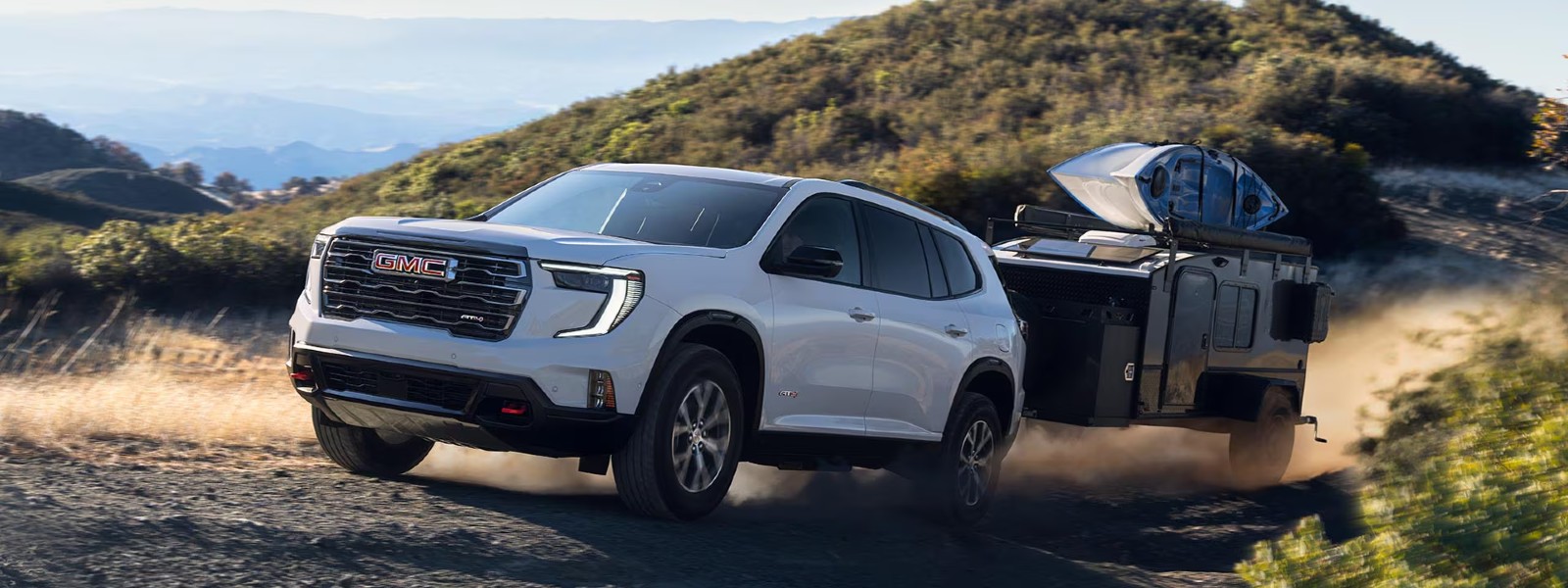
If you drive a GMC truck, SUV, or a Buick crossover, knowing when to rotate tires on GMC vehicles comes down to your specific model and driving habits. Towing or hauling regularly? Your front tires will wear faster. Lots of city driving with stop-and-go traffic? That accelerates wear on all four corners. Performance tires and staggered fitments (common on sport models) may require a different rotation pattern—or might not be rotatable at all in the traditional sense.
This is exactly why having a trusted dealer service center matters. The technicians here can take one look at your tire wear pattern and tell you not just when to rotate, but how—because there are multiple rotation patterns (front-to-back, X-pattern, diagonal), and the right one depends on your vehicle.
Schedule Your Rotation Today
If you're searching for "Tire service near me in SD," Olympic Buick GMC's service team is ready to help. Whether you're due for a rotation, not sure when you last had one, or just want a second set of eyes on your tires before a long trip, stopping in takes less time than you think—and it's one of the best things you can do for your vehicle.
Tire care isn't glamorous. It's not the kind of maintenance anyone gets excited about. But it's one of those things where staying ahead of the problem is infinitely better than dealing with the aftermath. Your tires are the only part of your vehicle that actually touches the road. Take care of them.
Frequently Asked Questions
Can I rotate my own tires at home?
Technically, yes—if you have a jack, jack stands, and know the correct rotation pattern for your vehicle. That said, a professional rotation at a dealership service center also includes a tire inspection, pressure check, and torque verification. It's worth the time to have an expert handle it.
Do all-season tires need to be rotated as often as other tires?
Yes. All-season tires still wear unevenly based on your drivetrain and driving habits. The rotation interval doesn't change just because the tires are versatile.
What happens if I rotate my tires too often?
Rotating too frequently isn't harmful—it just means extra trips to the service center. The bigger risk is always rotating too infrequently. When in doubt, stick to the mileage recommendation.
Do I need to rotate my tires if I have a full-size spare?
Some rotation patterns do include a full-size matching spare. Ask your service advisor whether this applies to your vehicle and spare tire type.
How do I know if my tires are wearing unevenly?
Look at the tread across the width of each tire. If the outer or inner edges are wearing faster than the center, or if one tire looks significantly more worn than the others, it's time for a rotation—and possibly an alignment check too.
Keep Your Tires in Top Shape
Schedule your tire rotation at Olympic Buick GMC in Huron, SD today!